

Have you ever seen someone write ope in a text comment or meme and wondered what they were actually trying to say
You’re not alone. Ope is one of those tiny internet expressions that can communicate a surprisingly big reaction.
It often appears when someone notices something unexpected accidentally interrupts makes a small mistake or suddenly realizes something.
The interesting part Ope doesn’t have just one exact definition. Its meaning depends heavily on the situation and the tone behind it.
Let’s break down the ope meaning where it comes from, how people use it online, and when you can naturally use it yourself.
What Does Ope Mean?
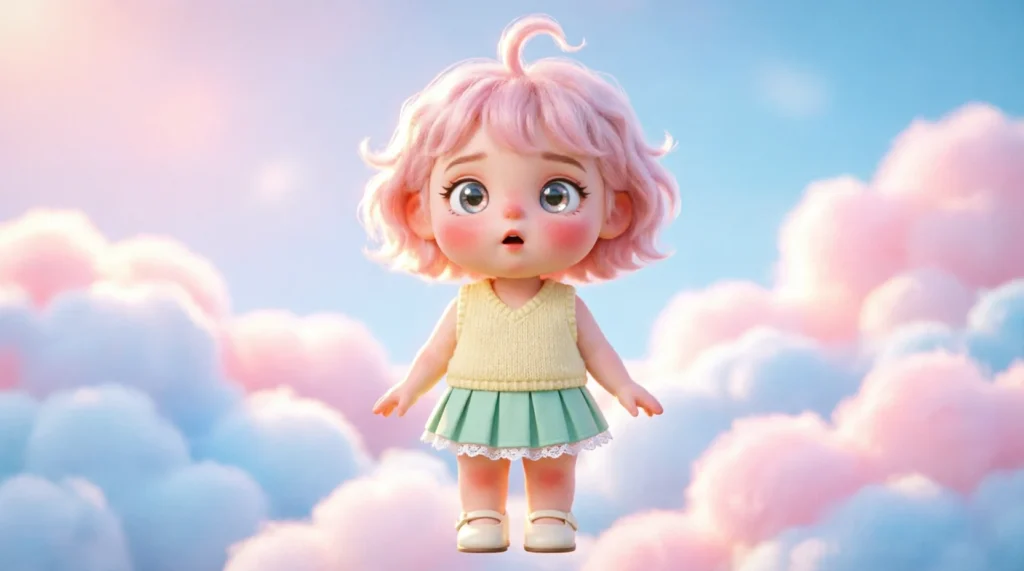
“Ope” is an informal expression used to react to something unexpected, surprising, awkward, or accidental. It is often similar to saying “oops,” “oh,” “whoops,” or “excuse me.”
For example:
“Ope, I didn’t see you there!”
Here, “ope” expresses a quick reaction to accidentally encountering someone.
Another example:
“Ope, wrong chat 😭”
In this case, the person realizes they made a small mistake and reacts with “ope.”
Ope Meaning in One Simple Definition
Ope means a quick, informal reaction to something unexpected, awkward, accidental, or suddenly noticed.
It is especially common in casual conversations, memes, social media posts, and texting.
Ope Meaning in Simple Words

Think of “ope” as a little verbal reaction that happens when your brain goes:
“Oh!” → “Oops!” → “Wait!”
It’s often used for very small, everyday moments.
For example:
- You bump into someone → “Ope, sorry!”
- You send a message to the wrong person → “Ope 😭”
- You notice someone standing behind you → “Ope, didn’t see you there.”
- You accidentally take someone’s seat → “Ope, my bad.”
- You suddenly realize you made a mistake → “Ope!”
Unlike a serious apology, “ope” usually has a light, casual feeling.
It can make an awkward moment feel less serious or more humorous.
Where Is “Ope” Used?
You can find “ope” in several casual communication settings.
1. Texting
People frequently use it in text messages when something unexpected happens.
Example:
“Ope, I forgot to attach the file.”
It’s a relaxed way of acknowledging a small mistake.
2. Social Media
You’ll often see ope in comments, captions, memes, and replies on platforms such as Instagram, TikTok, X, Reddit, and Facebook.
For example:
“Ope, that’s a little too relatable 💀”
Here, the word adds a humorous reaction to the situation.
3. Memes
“Ope” works particularly well in memes because it captures a sudden reaction in just three letters.
A meme might show someone accidentally walking into a room and saying:
“Ope, wrong room.”
The humor comes from the unexpected situation.
4. Everyday Conversation
Although it became especially recognizable through internet culture, ope isn’t limited to online communication.
Some people use it naturally when speaking, particularly in casual situations.
Why Do People Say “Ope”?
So why use “ope” instead of simply saying “oops”?
There are several reasons.
It Feels Natural
“Ope” is extremely short and easy to say.
Instead of explaining:
“Oh, I didn’t realize you were standing there.”
Someone might simply say:
“Ope!”
The situation provides the rest of the meaning.
It Can Make Awkward Moments Lighter
Small mistakes can sometimes feel uncomfortable.
Saying “ope” can make the moment sound playful rather than serious.
It Shows Immediate Reaction
“Ope” often feels spontaneous.
It’s the kind of word people use before they’ve even had time to formulate a complete sentence.
It’s Popular in Internet Culture
Memes and social media helped make ope widely recognizable outside the places where it was traditionally used.
Ope Examples in Real Conversations
Understanding examples is probably the easiest way to learn this expression.
Example 1: Accidentally Walking Into Someone
Person A: walks into the room
Person B: “Ope, sorry! Didn’t see you there.”
Meaning:
The speaker is reacting to unexpectedly encountering someone.
Example 2: Sending the Wrong Message
“Ope, that message was supposed to go to my sister 😭”
Meaning:
The person just realized they sent something to the wrong person.
Example 3: Discovering a Mistake
“Ope, I put the meeting on the wrong day.”
Meaning:
The speaker suddenly noticed an error.
Example 4: Unexpected Information
Friend: “You know everyone already saw your post, right?”
You: “Ope.”
Here, “ope” expresses sudden realization or mild embarrassment.
Example 5: Accidentally Taking Someone’s Seat
“Ope, is this your seat? My bad!”
Here, ope works almost like “oops” or “oh, sorry.”
Example 6: A Funny Social Media Reaction
“Ope, the comments are getting interesting 👀”
In this situation, ope doesn’t necessarily mean the person made a mistake. Instead, it signals that they suddenly noticed something surprising or entertaining.
Ope vs. Similar Expressions
Although ope overlaps with several expressions, each one has a slightly different feeling.
| Expression | Common Meaning | Typical Feeling |
|---|---|---|
| Ope | Unexpected realization or small accident | Casual, spontaneous |
| Oops | Small mistake or accident | Apologetic, casual |
| Oh | Surprise, realization, or acknowledgment | Neutral |
| Whoops | Minor mistake | Playful, apologetic |
| Excuse me | Getting attention or apologizing | Polite/formal |
| My bad | Accepting responsibility for a mistake | Casual |
| Uh-oh | Something may have gone wrong | Concerned/playful |
Ope vs. Oops
These two are probably the closest.
“Oops” usually focuses more directly on making a mistake.
“Oops, I deleted the message.”
“Ope” can cover mistakes, but it can also express simply noticing something unexpected.
“Ope, you’re already here.”
So ope is a little broader and more reaction-based.
Ope vs. Whoops
“Whoops” usually suggests that something went slightly wrong.
“Whoops, I dropped it.”
“Ope” can be used in the same situation, but it often feels more like an immediate reaction.
“Ope!”
When Should You Use “Ope”?
You can use ope when the conversation is casual and you want to express a quick reaction.
Good situations include:
- Accidentally bumping into someone
- Noticing someone unexpectedly
- Making a tiny mistake
- Sending something to the wrong person
- Realizing you misunderstood something
- Seeing something surprising
- Reacting humorously to an awkward moment
- Responding to an unexpected development
Example
Your friend says:
“Your ex just walked into the restaurant.”
You could reply:
“Ope 👀”
The expression communicates a lot without needing a full sentence.
When Should You Avoid “Ope”?
Because ope is highly informal, it isn’t appropriate for every situation.
Avoid relying on it in:
- Formal business emails
- Academic writing
- Professional reports
- Official complaints
- Serious apologies
- Formal customer-service communication
For example, instead of writing:
“Ope, sorry about the delayed payment.”
in a professional email, you’d normally say:
“I apologize for the delayed payment.”
Ope belongs mostly in relaxed communication.
Common Misunderstandings About Ope
1. Ope Doesn’t Always Mean “Oops”
This is one of the biggest misunderstandings.
While ope can mean something similar to “oops,” it isn’t restricted to mistakes.
It can also express:
- Surprise
- Sudden realization
- Awkwardness
- Unexpected encounters
- A quick acknowledgment
Context matters.
2. Ope Isn’t Usually a Serious Word
If someone says:
“Ope, my bad.”
They’re generally not making a dramatic apology.
It’s usually a casual acknowledgment of something minor.
3. The Meaning Depends on Tone
The same word can communicate different things depending on the situation.
“Ope!” might mean:
“Oops!”
But:
“Ope 👀”
could suggest:
“Oh, I just noticed something interesting.”
And:
“Ope, wrong chat 😭”
clearly communicates an accidental message.
4. It Isn’t Necessarily Internet Slang
People often associate ope with memes and social media, but the expression has roots in spoken informal English and is particularly associated with Midwestern American speech.
Internet culture helped spread and popularize the expression much more widely.
The Origin of “Ope”
The exact history of ope is difficult to reduce to one single origin story.
In American English, the expression has long been associated with informal speech, particularly the Midwestern United States.
People may naturally say something like:
“Ope, sorry!”
when moving around another person, dropping something, or unexpectedly encountering an obstacle.
Social media and meme culture later helped turn this small spoken reaction into a recognizable internet expression.
That’s why you may see people joking about “Midwestern ope” online.
Pro Tips for Using “Ope” Naturally
Want to use the expression without sounding forced? Keep these tips in mind.
1. Keep It Casual
“Ope” works best with friends, family, and informal online conversations.
2. Don’t Overthink It
It’s supposed to sound spontaneous.
“Ope!”
can be enough.
3. Let Context Do the Work
You don’t always need to explain what happened.
“Ope, didn’t see you there.”
The situation makes the meaning obvious.
4. Emojis Can Add Tone
In texting, emojis can make the intended reaction clearer.
Examples:
“Ope 👀”
“Ope 😭”
“Ope, my bad 😂”
“Ope…”
Each version can feel slightly different.
5. Don’t Use It in Every Situation
If something genuinely serious happened, a proper apology is better.
“Ope” is best for small, casual, everyday moments.
Why Is “Ope” So Popular Online?
Part of the appeal is its simplicity.
The word is short, expressive, and easy to turn into a meme. It captures a very specific human reaction: that tiny moment when something unexpected happens and you immediately react.
Internet users also enjoy expressions that feel authentic and conversational.
Instead of writing:
“I suddenly realized that I had made a minor mistake.”
You can write:
“Ope 💀”
The second version is faster, funnier, and much more natural in casual online conversation
Frequently Asked Questions
What does ope mean in texting?
In texting, ope is usually a casual reaction to something unexpected, awkward, or accidental. It can be similar to “oops,” “oh,” or “whoops.”
Is ope the same as oops?
Not exactly. Ope and oops overlap, especially when someone makes a small mistake, but “ope” can also express surprise or sudden realization.
Is ope a slang word?
Yes. Ope is an informal expression commonly found in casual speech, texting, memes, and social media.
Why do people say “ope”?
People say ope as a quick, spontaneous reaction when they encounter something unexpected, make a minor mistake, or suddenly notice something.
Final Thoughts:
So what does ope mean
In simple terms ope is an informal reaction to something unexpected accidental awkward or suddenly noticed. It’s similar to oops oh or whoops depending on the context.
You might say ope after bumping into someone noticing a mistake sending a message to the wrong person, or discovering something unexpected.
The key is to remember that context and tone determine the exact meaning.
Next time you see someone type ope you’ll know they’re probably reacting to something they just noticed or didn’t expect.
Discover more post:
| https://meanzpath.com/shawty-meaning/ |
| https://meanzpath.com/canon-event-meaning/ |
| https://meanzpath.com/wtg-meaning/ |

Vire is a passionate and results-driven content writer with over 5 years of professional experience in crafting engaging, SEO-optimized, and reader-focused content. As the creative mind behind MeanzPath.com, Vire specializes in breaking down complex topics into simple, relatable, and highly engaging articles that connect with modern audiences.