

Have you ever watched a friend make a decision and thought There’s no way I can stop this they have to learn the hard way
Maybe your friend is dating someone who clearly isn’t right for them, buying something they definitely don’t need or making the same mistake you once made.
That’s when you might hear someone say It’s a canon event.
But what does canon event meaning actually refer to and why has this phrase become so popular online?
Let’s break it down in simple language with examples you’ll recognize from everyday life and social media.
What Does Canon Event Mean?

A canon event is a major experience or event that is considered an important part of someone’s personal life story or character development.
Online, people usually use the phrase jokingly to describe a situation that someone seems destined to experience, especially when it teaches them an important life lesson.
Simple definition: A canon event is a memorable life experience—often embarrassing, painful, funny, or transformative—that feels like something a person has to go through to become who they are.
The term became especially popular because of the animated movie Spider-Man: Across the Spider-Verse, where “canon events” are important moments that are supposed to happen in Spider-People’s stories.
The internet took that idea and turned it into a funny way of talking about real-life experiences.
Canon Event Meaning in Simple Words
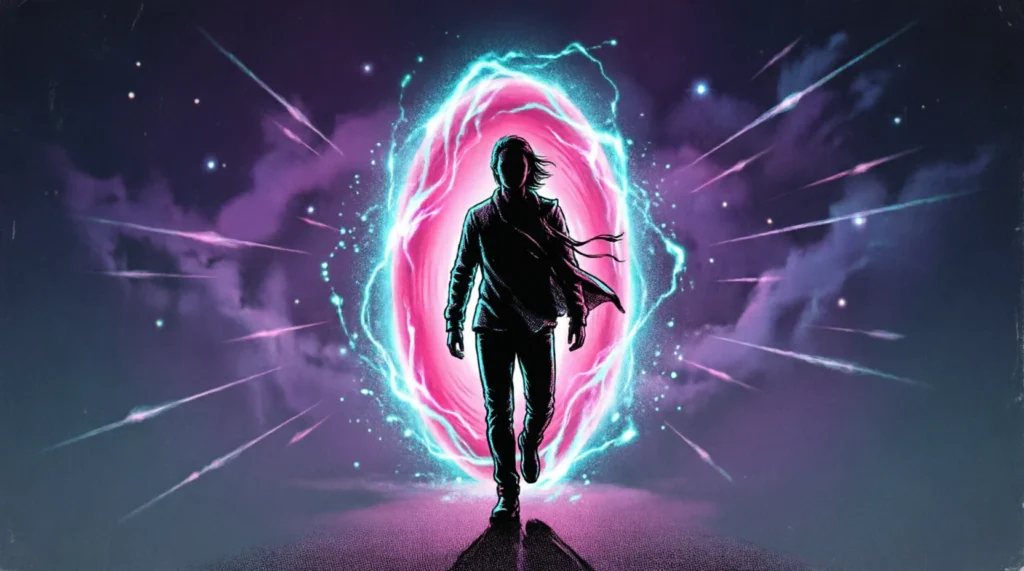
In everyday internet language, canon event basically means:
“This is something you need to experience yourself, even if I already know how it will end.”
Imagine your friend says:
“I know he ignores me for three days, but I think he’s just busy.”
You already know where this is going. 😭
Instead of giving them a long speech, you might simply say:
“Girl, that’s your canon event.”
You’re joking that this experience is something they need to go through themselves before they understand the lesson.
A canon event can be:
- A first heartbreak 💔
- A terrible haircut
- Falling for the wrong person
- Getting embarrassed in front of everyone
- Making a questionable fashion choice
- Spending too much money
- Moving away from home
- Getting your first job
- Learning an important lesson the hard way
- Experiencing something that changes your personality
The phrase is usually playful rather than literal.
Where Is “Canon Event” Used?
You’ll commonly see canon event on social media platforms and in casual online conversations.
TikTok
TikTok helped make the phrase extremely popular.
Users often create videos showing embarrassing or funny things they did when they were younger and caption them:
“My first embarrassing crush was a canon event.”
The joke is that the experience was necessary for their personal development.
On Instagram, you may see the phrase in:
- Reels
- Memes
- Story captions
- Comments
- Friendship posts
For example:
“Watching my little sister make the same mistake I made at 17. I can’t interfere. It’s a canon event.”
X and Other Social Platforms
People also use it in posts and replies to describe experiences that seem unavoidable.
It can refer to almost anything—from relationships and school experiences to awkward social situations.
Everyday Conversations
You don’t have to use the phrase online.
Friends may say:
“Don’t stop him. Let him cook. It’s a canon event.”
The expression works particularly well when everyone knows the person is about to learn something from experience.
Why Do People Use the Phrase “Canon Event”?
There are several reasons this slang became so popular.
1. It Makes Difficult Experiences Funny 😂
Life can be embarrassing.
Instead of saying, “This terrible experience taught me an important lesson,” you can simply say:
“Canon event.”
The phrase makes the situation lighter and more humorous.
2. Everyone Has Them
Most people can remember at least one experience that shaped who they became.
Looking back, you might think:
“Honestly, I needed to go through that.”
That’s exactly the kind of situation people call a canon event.
3. It Suggests Personal Growth
A canon event isn’t necessarily something bad.
Sometimes it’s an experience that changes your perspective or helps you mature.
For example, getting your first job may teach you responsibility.
Moving to another city may make you independent.
Failing an exam may teach you better study habits.
These experiences become part of your personal story.
4. It Comes From a Popular Spider-Man Concept
The phrase became strongly associated with Spider-Man: Across the Spider-Verse.
In the movie’s fictional multiverse, certain events are described as important moments in the stories of Spider-People.
The internet then adapted the concept to normal life.
Instead of talking about superhero storylines, people started joking about their own “canon events.”
Real Life Canon Event Examples
Here are some examples that show how people actually use the phrase.
Example 1: The Wrong Relationship
Your friend starts dating someone who constantly ignores them.
You warn them:
“I don’t think this person is good for you.”
They respond:
“No, they’re actually really sweet.”
Six months later, the relationship ends badly.
You might joke:
“I knew it. That was your canon event.”
The meaning is that your friend needed to experience the relationship themselves to understand what you were trying to tell them.
Example 2: The Awkward Haircut
Someone decides to cut their own hair at home.
You say:
“Are you sure that’s a good idea?”
They ignore you.
The result is terrible. 😭
A funny response could be:
“Don’t worry. The bad DIY haircut is a canon event.”
Here, the phrase means the embarrassing experience is part of their journey.
Example 3: First Heartbreak
Someone experiences their first serious breakup.
They feel like their world has ended.
Years later, they look back and realize they learned a lot about relationships and themselves.
That first heartbreak could be described as:
“My first breakup was definitely a canon event.”
It doesn’t mean the pain wasn’t real. It means the experience became an important part of their growth.
Example 4: Spending All Your Money
Imagine someone gets their first paycheck and immediately spends most of it on clothes, food, and entertainment.
Their older sibling might say:
“Let them enjoy it. Learning how to manage money is a canon event.”
The humor comes from knowing that the person will probably understand budgeting after experiencing the consequences.
Example 5: Moving Away From Home
Someone moves to another city for university.
At first, they struggle with cooking, cleaning, managing money, and being independent.
Later, they become much more confident.
Someone might say:
“Moving out was definitely a canon event.”
In this example, the phrase doesn’t describe something embarrassing. It describes an experience that helped the person grow.
Canon Event vs. Similar Terms
Although canon event sounds similar to several other expressions, the meanings aren’t exactly the same.
| Term | Meaning | Example |
|---|---|---|
| Canon event | An important experience that feels necessary to someone’s story or growth | “That breakup was her canon event.” |
| Life lesson | Something you learn from an experience | “That mistake taught me a life lesson.” |
| Coming-of-age moment | An experience connected to growing up or becoming mature | “Moving away was a coming-of-age moment.” |
| Character development | A change in someone’s personality, behavior, or perspective | “That experience gave him character development.” |
| Turning point | An event that significantly changes the direction of someone’s life | “Getting fired became a turning point.” |
| Plot twist | An unexpected development or change | “Her ex suddenly came back—that was a plot twist.” |
The key difference is that canon event has a playful, internet-culture feeling.
It’s often used as if someone’s life were a movie or fictional story.
Canon Event vs. Character Development
These two expressions are especially easy to confuse.
Canon event refers to the experience itself.
Character development refers to the change that happens because of that experience.
For example:
Canon event: You fail your first major exam.
Character development: You start studying earlier and become more disciplined.
So you could jokingly say:
“Failing that exam was my canon event. The study routine afterward was the character development.”
That perfectly captures how the slang is often used online.
When Should You Use “Canon Event”?
You can use canon event when you’re talking about an experience that feels important, inevitable, or formative.
It’s especially useful when the situation is:
- Funny
- Embarrassing
- Relatable
- A little painful
- Connected to growing up
- Something someone seems determined to experience themselves
Good Examples
“Getting bangs and immediately regretting them was my canon event.”
“Don’t tell her. She needs to experience this canon event.”
“My first terrible job was definitely a canon event.”
“Every teenager has at least one embarrassing fashion canon event.”
The expression works best in casual conversations, memes, captions, and social media posts.
When Should You NOT Use It?
⚠️ Because the phrase is often humorous, be careful about using it for genuinely serious situations.
For example, if someone is experiencing a serious personal crisis, major loss, abuse, or another traumatic event, calling it a “canon event” may come across as insensitive.
The phrase is usually best for situations where humor is appropriate.
Think of it as a lighthearted internet expression, not a serious psychological or philosophical term.
Common Misunderstandings About Canon Events
1. It Doesn’t Mean the Event Is Literally Predetermined
When someone says:
“That’s a canon event,”
they usually aren’t claiming that the event is scientifically or literally destined to happen.
It’s a metaphor based on storytelling.
The joke is that the experience feels like an unavoidable part of someone’s “plot.”
2. It Doesn’t Have to Be Negative
A canon event can be positive.
Getting your first apartment, traveling alone, starting college, meeting a lifelong friend, or finding a passion could all be described as canon events.
The important part is that the experience feels significant to your personal story.
3. It Doesn’t Always Involve a Mistake
People often use canon event for embarrassing decisions, but that’s not the only meaning.
It can describe any major experience that shapes someone’s journey.
For example:
“Winning my first competition was a canon event for me.”
That’s completely natural.
4. You Don’t Have to Literally Say “My Canon Event”
The phrase can be adapted in many ways.
You might say:
- “That’s a canon event.”
- “It’s his canon event.”
- “She needs her canon event.”
- “I can’t interfere with the canon event.”
- “That was definitely one of my canon events.”
The wording depends on the situation.
Pro Tips for Using “Canon Event” Naturally 🔥
Want to sound natural rather than forced when using this slang?
Keep It Casual
Don’t use it in formal writing or professional communication.
It belongs mainly in casual conversations and internet culture.
Use It When the Context Is Obvious
The phrase works best when people understand what experience you’re referring to.
For example:
“Watching my friend buy another expensive gadget after saying he’s saving money. Canon event.”
The humor is immediately clear.
Don’t Overuse It
Like most internet slang, saying it constantly can make it lose its humor.
Save it for moments where the phrase actually fits.
Understand the Spider-Man Connection
Knowing the original reference makes the joke easier to understand.
However, you don’t need to be a Spider-Man expert to use the expression.
Match the Mood ⚠️
Before calling something a canon event, consider whether the person involved would find it funny.
A playful mistake? Probably fine.
A deeply painful experience? Probably not.
Why “Canon Event” Became Such a Relatable Meme
The biggest reason this phrase works so well is that people recognize themselves in it.
Almost everyone has something in their past that they wouldn’t necessarily choose to repeat—but they wouldn’t erase either.
Calling it a canon event turns your personal history into a funny fictional storyline.
You become the main character, the embarrassing moment becomes part of the plot, and the lesson becomes your character development.
That’s why the phrase feels both humorous and surprisingly meaningful.
Frequently Asked Questions
What is the meaning of canon event?
A canon event is an important experience that is seen as a necessary part of someone’s personal story or development. Online, it is often used humorously for experiences people seem destined to go through.
What does “that’s a canon event” mean?
“That’s a canon event” usually means that something is an important or unavoidable experience that someone needs to experience for themselves, often so they can learn from it.
Is canon event slang?
Yes. Canon event has become popular internet slang, especially on platforms such as TikTok and Instagram. It is commonly used in memes, captions, comments, and casual conversations.
Why do people say “I can’t interfere with a canon event”?
This is a humorous reference to the idea that certain events are necessary to someone’s story. When people say “I can’t interfere,” they’re joking that the person needs to experience the situation and learn from it themselves.
Final Thoughts:
So what is the canon event meaning?
In internet slang, a canon event is an important or memorable experience that feels like a necessary part of someone’s personal story or growth.
The phrase comes from the idea of important events in fictional stories particularly the Spider Man multiverse but social media users have turned it into a relatable expression for everyday life.
Whether it’s a terrible haircut first heartbreak questionable relationship major life decision or meaningful milestone people use canon event to say:
Discover more post:
| https://meanzpath.com/ily-meaning/ |
| https://meanzpath.com/slang-dictionary/ |
| https://meanzpath.com/nvm-meaning-in-chat/ |

Noir is a passionate and results-driven content creator with over 5 years of professional experience in digital writing, SEO strategy, and online publishing. As the voice behind MeanzPath.com, Noir specializes in simplifying complex ideas into clear, engaging, and value-packed content that resonates with modern readers.