

Ever seen PVE in a game chat Discord server Reddit post or gaming guide and wondered what everyone was talking about
You’re not alone. PVE is one of the most common gaming abbreviations but its meaning can be confusing if you’re new to online gaming.
The good news? It’s actually pretty simple. Once you understand the difference between PVE and PVP a lot of gaming conversations suddenly make sense.
Let’s break down PVE meaning where you’ll see it, and what gamers really mean when they use it.
What Does PVE Mean?
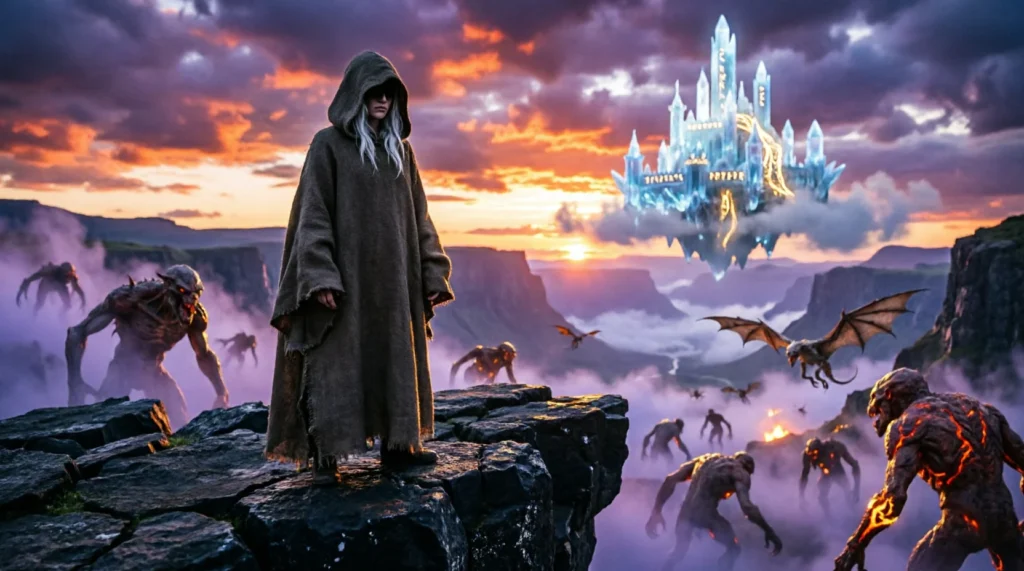
PVE means “Player Versus Environment.”
It describes a type of gameplay where players fight against computer-controlled enemies, creatures, bosses, or other challenges created by the game, rather than directly fighting other human players.
Featured snippet answer:
PVE (Player Versus Environment) is a gaming term for gameplay where players battle computer-controlled enemies, complete missions, defeat bosses, and overcome challenges created by the game.
For example, if you enter a dungeon with your friends and fight monsters controlled by the game, you’re playing PVE.
If you fight another real player instead, that’s generally called PVP, or Player Versus Player.
PVE Meaning in Simple Words
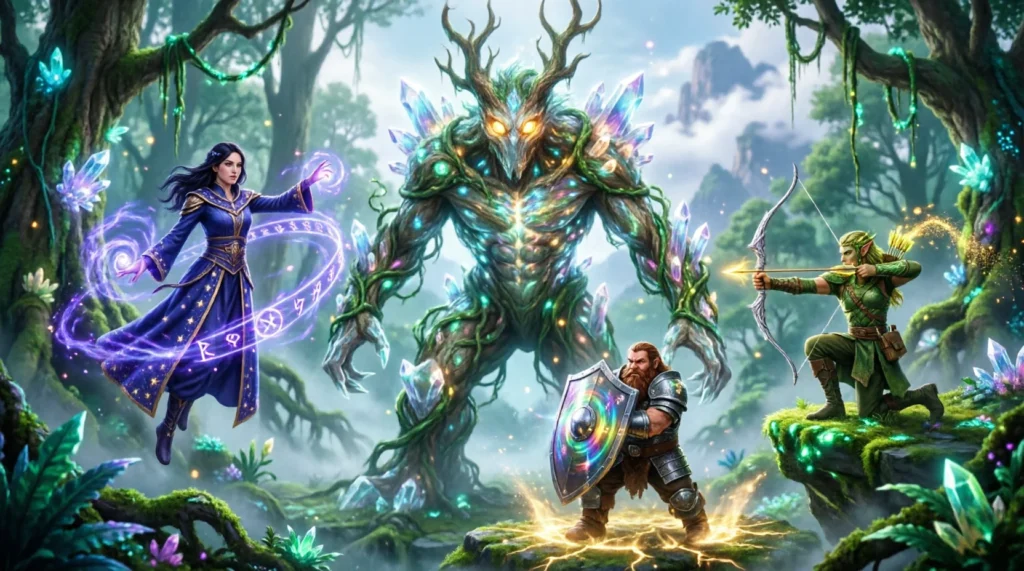
In simple terms, PVE means you’re fighting the game, not another player.
Think of it like this:
- 👾 You vs monsters = PVE
- 🐉 You vs a boss = PVE
- 🧟 You vs zombies controlled by the game = PVE
- 🎯 You vs computer-controlled enemies = PVE
- ⚔️ You vs another human player = PVP
PVE can be played alone or with other players.
For example, you might play a story mission by yourself, or team up with four friends to defeat a powerful boss.
The important part is that the enemies or challenges are controlled by the game’s systems or artificial opponents, rather than another human player.
Where Is PVE Used?
You’ll see PVE in many different gaming communities and online spaces.
🎮 Video Games
PVE is extremely common in games that include missions, quests, enemies, dungeons, raids, or boss fights.
Players might say:
“I mostly play PVE.”
That usually means they prefer fighting game-controlled enemies and completing game content rather than competing directly against other players.
💬 Discord and Gaming Chats
Gaming communities frequently use PVE when discussing:
- Builds
- Weapons
- Character classes
- Missions
- Raids
- Dungeons
- Boss strategies
- Team compositions
- Difficulty levels
For example:
“Is this weapon good for PVE?”
Here, the person is asking whether the weapon works well against game-controlled enemies.
📱 Gaming Forums and Social Media
You may also see PVE in:
- Reddit gaming discussions
- YouTube comments
- Gaming guides
- Twitch chats
- Game wikis
- Discord servers
- Online communities
It’s simply a convenient abbreviation that saves people from repeatedly typing Player Versus Environment.
Why Do People Use PVE?
There are several reasons gamers enjoy PVE.
1. Story and Exploration 📖
Many PVE games are built around stories, worlds, quests, and exploration.
Instead of worrying about another player defeating you, you can focus on discovering the game’s world and progressing through its content.
2. Teamwork 🤝
Some of the best PVE experiences require players to cooperate.
You might have:
- A tank protecting the team
- A healer keeping everyone alive
- Damage dealers attacking enemies
- Support characters helping teammates
Everyone has a different role, and success depends on working together.
3. Fighting Powerful Bosses 🐉
Boss battles are one of the biggest parts of PVE gaming.
A boss may have unique attacks, special abilities, multiple phases, or complicated mechanics.
Players often need to learn the boss’s patterns and coordinate their attacks.
4. Practicing Your Skills
PVE can also give players a place to practice.
You can experiment with:
- New weapons
- Character builds
- Abilities
- Strategies
- Movement
- Team roles
This can be especially useful when you’re learning a new game.
5. Less Pressure
Competitive PVP can sometimes be intense.
In PVE, the experience may feel more relaxed because you’re generally cooperating with the game rather than trying to defeat another human player.
That doesn’t mean PVE is always easy, though.
High-level raids and difficult boss encounters can be extremely challenging. 🔥
Real Life Examples of PVE
Let’s make the PVE meaning even clearer with some everyday gaming examples.
Example 1: Fighting Zombies
Imagine you’re playing a zombie survival game.
You and your friends enter an abandoned building and fight dozens of zombies controlled by the game.
That’s PVE.
Why?
Because the enemies aren’t real players. They’re part of the game’s environment.
Example 2: Defeating a Boss
You enter a dungeon with three friends.
At the end, there’s a giant dragon boss.
Everyone works together to defeat it.
That’s also PVE.
The dragon is controlled by the game, so you’re fighting the environment.
Example 3: Completing a Story Mission
You’re playing a single-player adventure game.
Your character completes a mission, fights enemies, solves puzzles, and reaches the end of the level.
That’s PVE gameplay too.
You don’t need to be playing with other people for something to count as PVE.
Example 4: A Gamer’s Discord Message
Someone writes:
“Looking for two people for PVE tonight.”
They’re probably looking for teammates to complete cooperative game content rather than fight other players.
Example 5: PVE Weapon Discussion
Someone asks:
“What’s the best PVE build?”
They’re asking which character setup, equipment combination, or strategy performs well against computer-controlled enemies and game challenges.
PVE vs PVP: What’s the Difference?
The easiest way to understand PVE is to compare it with PVP.
| Term | Full Form | Main Opponent | Typical Goal |
|---|---|---|---|
| PVE | Player Versus Environment | Game-controlled enemies | Complete missions, defeat enemies, beat bosses |
| PVP | Player Versus Player | Human players | Defeat or outperform other players |
| Co-op | Cooperative Gameplay | Usually game-controlled enemies | Work together with other players |
| Solo | Solo Gameplay | Usually game-controlled enemies | Complete content alone |
There can be some overlap.
For example, a game might let you play a mission with friends against computer-controlled enemies. That’s co-op PVE.
Another game might put you against human opponents in a competitive arena. That’s PVP.
Some games combine both systems.
You might spend one part of the game completing PVE missions and another part fighting other players.
Is PVE Always Multiplayer?
No.
This is one of the most common misunderstandings.
PVE simply describes gameplay against the environment or game-controlled opponents. It doesn’t automatically mean you’re playing with other people.
PVE can be:
- Solo PVE — you play alone.
- Co-op PVE — you play with friends or other players.
- Large-group PVE — many players work together against difficult content.
So if you’re playing a single-player game and fighting computer-controlled enemies, that can still be considered PVE.
When Should You Use PVE?
You can use PVE whenever you’re talking about gameplay against game-controlled opponents or challenges.
For example:
Talking about a game
“This game has really good PVE content.”
Asking for equipment advice
“Is this weapon better for PVE or PVP?”
Looking for teammates
“Anyone want to run PVE missions?”
Discussing character builds
“What’s a good PVE build for beginners?”
Comparing game modes
“I enjoy PVE more than competitive modes.”
In all these examples, PVE clearly communicates that you’re talking about non-player-controlled opponents or game challenges.
Common Misunderstandings About PVE ⚠️
Misunderstanding 1: PVE Means Single-Player
Not necessarily.
PVE can be completely cooperative multiplayer.
You can play with a team of friends while still playing PVE.
Misunderstanding 2: PVE Is Always Easy
Definitely not.
Some games have incredibly difficult PVE content.
High-level raids, endgame dungeons, survival modes, and boss fights can require serious teamwork and practice.
Misunderstanding 3: PVE Means There Are No Other Players
Not always.
You can be surrounded by real players in a cooperative PVE activity.
The key distinction is who you’re fighting.
If your team is fighting game-controlled enemies, the activity is generally PVE.
Misunderstanding 4: PVE and Co-op Mean Exactly the Same Thing
They’re related, but they’re not identical.
PVE describes the type of opponents or challenge.
Co-op describes players working together.
So you can have:
Co-op PVE
That’s simply multiple players cooperating against game-controlled enemies.
PVE in Different Types of Games
PVE isn’t limited to one gaming genre.
MMORPGs
MMORPGs often have extensive PVE systems, including:
- Raids
- Dungeons
- World bosses
- Quests
- Missions
- Enemy encounters
Players may spend hours developing their characters for increasingly difficult PVE content.
Shooter Games 🔫
Shooters can include PVE missions where players fight enemy soldiers, monsters, aliens, or other computer-controlled opponents.
Some games are designed almost entirely around cooperative PVE.
Survival Games
Survival games frequently use PVE enemies such as:
- Zombies
- Animals
- Monsters
- Hostile NPCs
- Environmental hazards
The goal may be to gather resources, build a base, survive attacks, and progress through the world.
RPGs
Role-playing games often use PVE as a major part of the experience.
You may fight enemies, complete quests, explore locations, collect equipment, and defeat bosses.
Pro Tips for Understanding PVE Like a Gamer 🎮
If you’re new to gaming terminology, keep these simple rules in mind:
✅ Remember the “E”
The E in PVE stands for Environment.
So when you see PVE, think:
Player vs the game’s world and challenges.
✅ Look at the opponent
Ask yourself:
“Am I fighting a human player or a game-controlled opponent?”
Human opponent → usually PVP
Game-controlled opponent → usually PVE
✅ Don’t confuse PVE with solo play
A group of ten players can all participate in the same PVE activity.
✅ Check the game’s terminology
Different games sometimes use PVE in slightly different ways.
Some may classify NPC battles, missions, raids, and other activities differently, so the game’s own description is always worth checking.
Why PVE Is So Popular
For many gamers, PVE offers a different experience from competitive multiplayer.
Instead of constantly competing against other people, players can focus on progression, exploration, teamwork, strategy, and completing challenges.
There’s also a strong sense of accomplishment when your team finally defeats a boss you’ve been struggling with.
That moment when the boss finally goes down?
🔥 That’s classic PVE satisfaction.
Frequently Asked Questions About PVE
What does PVE stand for?
PVE stands for “Player Versus Environment.” It refers to gameplay where players fight computer-controlled enemies or overcome challenges created by the game.
What is the difference between PVE and PVP?
PVE involves fighting game-controlled opponents or challenges, while PVP means Player Versus Player, where human players compete against one another.
Can PVE be multiplayer?
Yes. PVE can be multiplayer. Many games let groups of players cooperate to complete missions, defeat bosses, or clear dungeons.
Is PVE easier than PVP?
Not necessarily. Some PVE content is easy, while advanced raids, bosses, and endgame challenges can be extremely difficult. PVE and PVP simply involve different types of opponents and gameplay.
Final Thoughts:
So what does PVE mean
PVE stands for Player Versus Environment. It describes gameplay where you face computer-controlled enemies bosses missions or other challenges created by the game.
You can play PVE alone or with other players.
The easiest way to remember it is:
PVE = You and/or your team vs the game.
Once you understand that basic idea you’ll recognize PVE everywhere from gaming chats and Discord servers to game guides and community discussions.
Discover more post:
| https://meanzpath.com/what-does-zesty-mean/ |
| https://meanzpath.com/snatched-meaning/ |
| https://meanzpath.com/afaik-meaning/ |

Zora is a passionate and results-driven content creator with over 5 years of experience in digital writing, SEO strategy, and online publishing. As the voice behind MeanzPath.com, Zora specializes in creating engaging, easy-to-understand, and value-packed content that helps readers discover meanings, trends, and insights in a simple yet impactful way.